Counselling & Psychotherapy
What we can work on together?
My approach is rooted in the belief that there is no one-size-fits-all approach to counselling, and that meaningful work begins with the relationship we build together.
What brings you to counselling will be personal to you, so the way we work together should be too. I work pluralistically, which means we can draw on different ways of working depending on what you need, what feels helpful, and, most importantly, what matters to you.
What matters to you may also change throughout our time together. Something that feels important at the beginning may shift as we explore your experiences, notice new things or begin to understand them differently. Our work can change with you.
You don’t need to arrive knowing exactly what you want to talk about, what you want to change, or even where to begin. We can work that out together, at your pace.
-
Grief can affect every part of life, and there is no right way or timescale in which to experience it.
You may be coming to terms with the death of someone important to you, living with anticipatory grief, or experiencing another kind of loss; a relationship, a role, your health, a sense of identity, or the life you thought you would have.
Our work might involve talking about the person or thing you have lost, exploring difficult or conflicting emotions, making sense of how the loss has changed your life, or finding ways to maintain a connection with someone who has died.
Sometimes words may not feel enough. We might use writing, photographs, objects, timelines, memory work, imagery or other creative ways of expressing what your loss means to you.
There is no expectation that grief needs to be “resolved” or left behind. Grief can remain part of your life, and the relationship, memories, love or meaning connected to what you have lost may continue with you. Grief may change over time, but that does not mean it has to disappear.
Counselling can offer space for your grief as it is, rather than treating it as something that needs to be fixed or overcome.
-
Anxiety can show up in many ways, such as constant worrying, overthinking, panic, difficulty switching off, or simply feeling that everything has become too much. For some people, it may also show itself mainly through physical sensations, sometimes before they are even aware of feeling anxious.
Our work might involve exploring what tends to happen when anxiety appears, noticing patterns or triggers, understanding what your mind and body may be responding to, and looking at what helps you feel more settled or in control.
Sometimes it can be useful to work more practically. We might use visual mapping, grounding or regulation techniques, guided imagery, breathing exercises, journalling, or creative ways of making sense of thoughts that can otherwise feel tangled or difficult to explain. We may also work somatically, which simply means paying attention to what is happening in your body as well as your thoughts. Anxiety might be experienced as a tight chest, a knot or fluttering feeling in your stomach, tingling, heat, nausea, restlessness, changes in breathing, a racing heart, heaviness, or simply a physical sensation that is difficult to put into words. Noticing these experiences can help us understand how anxiety shows up for you and explore ways of responding that feel supportive rather than overwhelming.
If you are neurodivergent, we might also explore things such as sensory overload, masking, changes in routine, uncertainty, executive functioning, social demands, or the exhaustion that can come from continually adapting yourself to the world around you.
There is no expectation that you should simply learn to “manage” anxiety better. The focus is on understanding your experience and finding approaches that make sense for you.
-
Sometimes life can begin to feel flat, heavy or difficult to engage with.
You might feel disconnected from yourself or other people, struggle with motivation, find everyday things harder than they used to be, or wonder why things that once mattered no longer seem to. Low mood can also show itself physically through tiredness, heaviness, changes in sleep or appetite, aches, slowed thinking, or simply feeling as though everything takes more effort.
Our work might involve exploring what has been happening in your life, noticing patterns in your thoughts, relationships or experiences, and making space for feelings that may have been difficult to understand or put into words.
We might use timelines, visual mapping, journalling, imagery, creative reflection or gentle goal-setting to help make sense of what you are experiencing. We may also work somatically, paying attention to what is happening in your body — for example, where you notice heaviness, numbness, tension, tiredness or a sense of shutting down — and exploring what those experiences may be communicating.
Sometimes it can be helpful to look at what drains your energy, what gives you even a small sense of connection or meaning, and what might make daily life feel a little more manageable. At other times, simply having somewhere you do not have to perform, explain yourself, or pretend to be okay may be what feels most important.
There is no expectation that you should simply “think more positively” or push yourself to feel better. The focus is on understanding what you are experiencing, what may be contributing to it, and finding ways of working that feel supportive and meaningful for you.
-
Life can move quickly. Work, relationships, family, parenthood, health, ageing, caring responsibilities and other changes can happen one after another, often without much time to stop and notice how they are affecting you.
Sometimes you can find yourself adapting, coping and getting on with what needs to be done, while your own thoughts, feelings or sense of identity are pushed to one side. You may reach a point where life looks different from how you expected, or realise that a role, relationship or version of yourself no longer feels quite the same.
Our work might involve slowing things down enough to notice what has changed, what you may have lost or gained, what still feels important to you, and what parts of your life or identity need more attention.
We might use timelines, life maps, values exercises, journalling, imagery, photographs, creative reflection or other visual ways of exploring your experiences. Sometimes it can be helpful simply to create space to think about questions that everyday life has not left much room for.
There does not have to be an immediate answer to what comes next. Sometimes having space to understand where you are now, what matters to you, and how your needs may have changed can be valuable in itself.
-
Sometimes we may want to understand ourselves on a deeper level and understand why certain situations affect us in the way they do, why particular patterns seem to repeat, how past experiences continue to influence the present, or what we really want from our relationships and our lives.
Our work might involve noticing recurring themes, exploring beliefs you hold about yourself, looking at how you relate to other people, or becoming curious about parts of yourself that you may have learned to hide, criticise or push aside.
We might use conversation, diagrams, timelines, journalling, imagery, metaphor, creative exercises, photographs or other ways of helping you make sense of your experiences. We can also pay attention to what happens within the counselling relationship itself, as this can sometimes help us notice patterns that show up elsewhere in your life.
There does not always need to be something to fix or change. Sometimes greater understanding can help you relate to yourself with more curiosity, recognise what you need, and make choices that feel more aligned with who you are.

Reflective Supervision
A space to pause, reflect and make sense of the work you carry
Reflective Supervision offers a confidential space for professionals working in education, healthcare, safeguarding, care, leadership and other emotionally demanding roles.
It can be used to think through challenging situations, explore the emotional impact of your work, reflect on boundaries and decision-making, and consider what may help you work more sustainably.
Individual sessions are available online, in person, or within your organisation where a suitable private and confidential space is available. Group reflective supervision can also be arranged for teams or organisations, with the format, frequency and focus agreed in advance to suit the needs of the group and the nature of the work.
If you would like to discuss Reflective Supervision in more detail, please contact me directly or book a no-obligation 15-minute complimentary consultation.
Where do sessions take place?
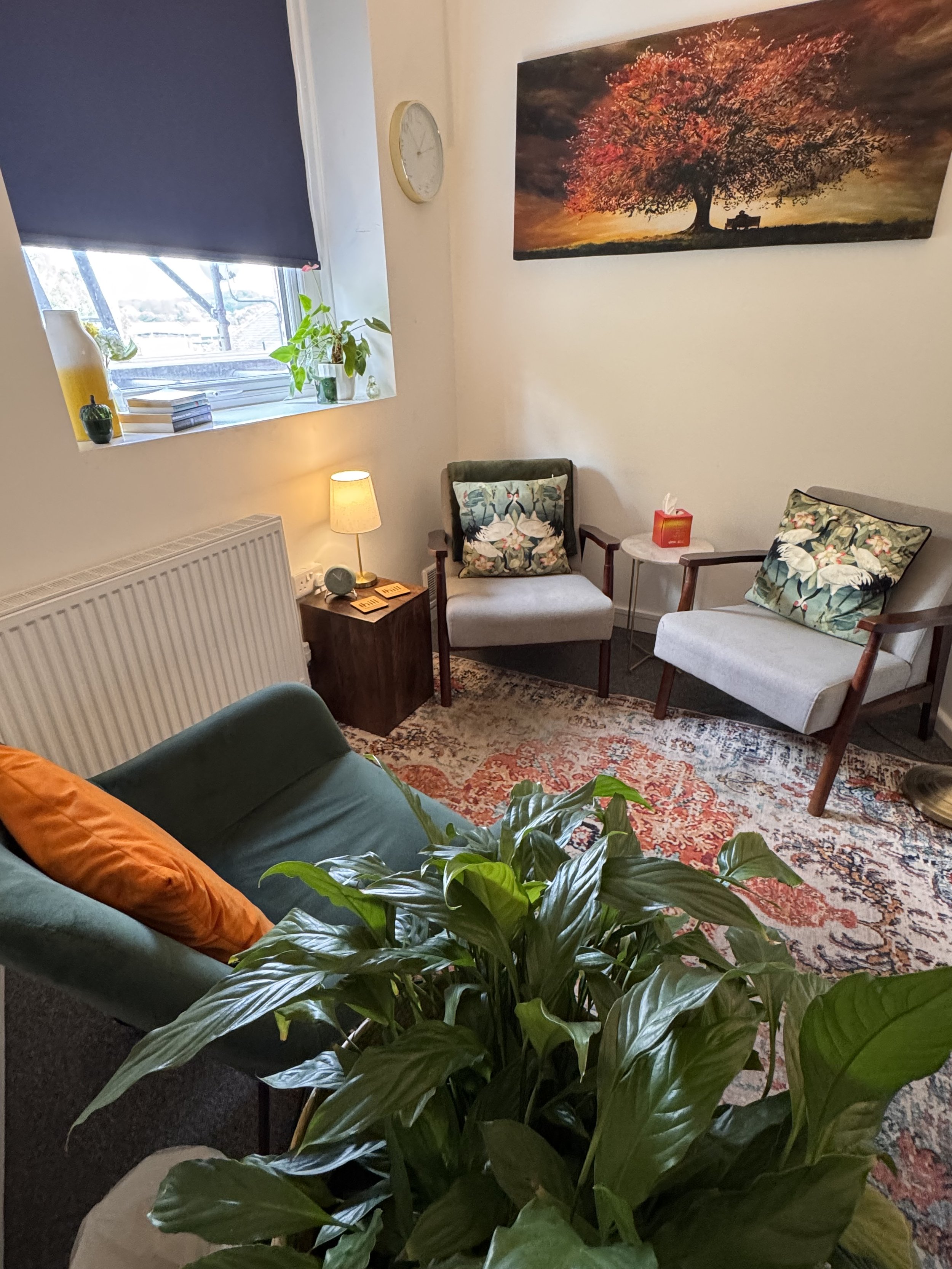
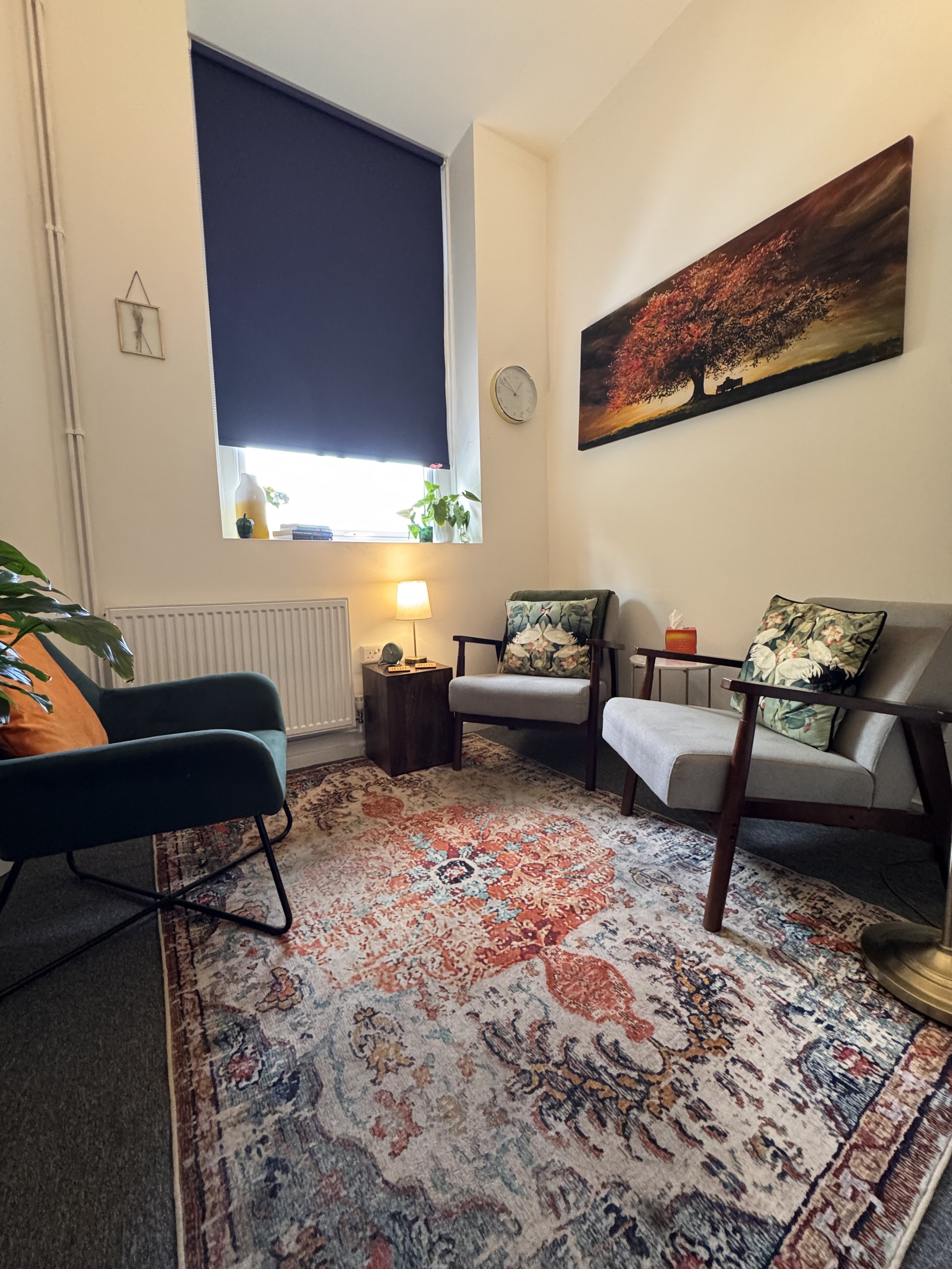
In-person sessions take place at The Hill Counselling Practice in Padiham, providing a private and welcoming space where we can meet comfortably and confidentially.
The practice is based in Padiham, near Burnley, and is accessible from the surrounding areas of Lancashire. Full location details and information about attending your appointment will be provided when you book.
If attending in person isn’t right for you, I also offer online sessions, giving you the flexibility to access counselling from a space where you feel comfortable.
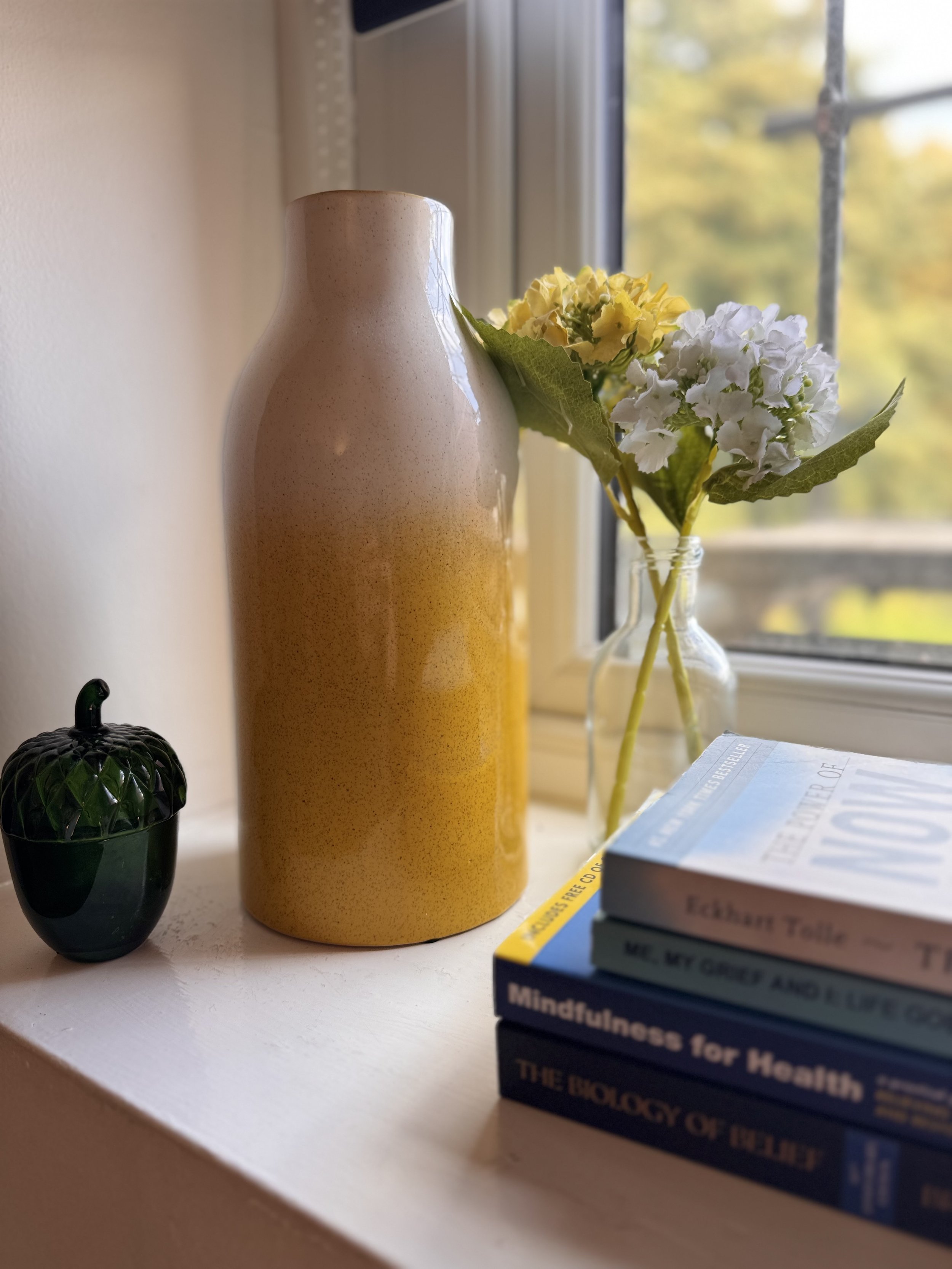
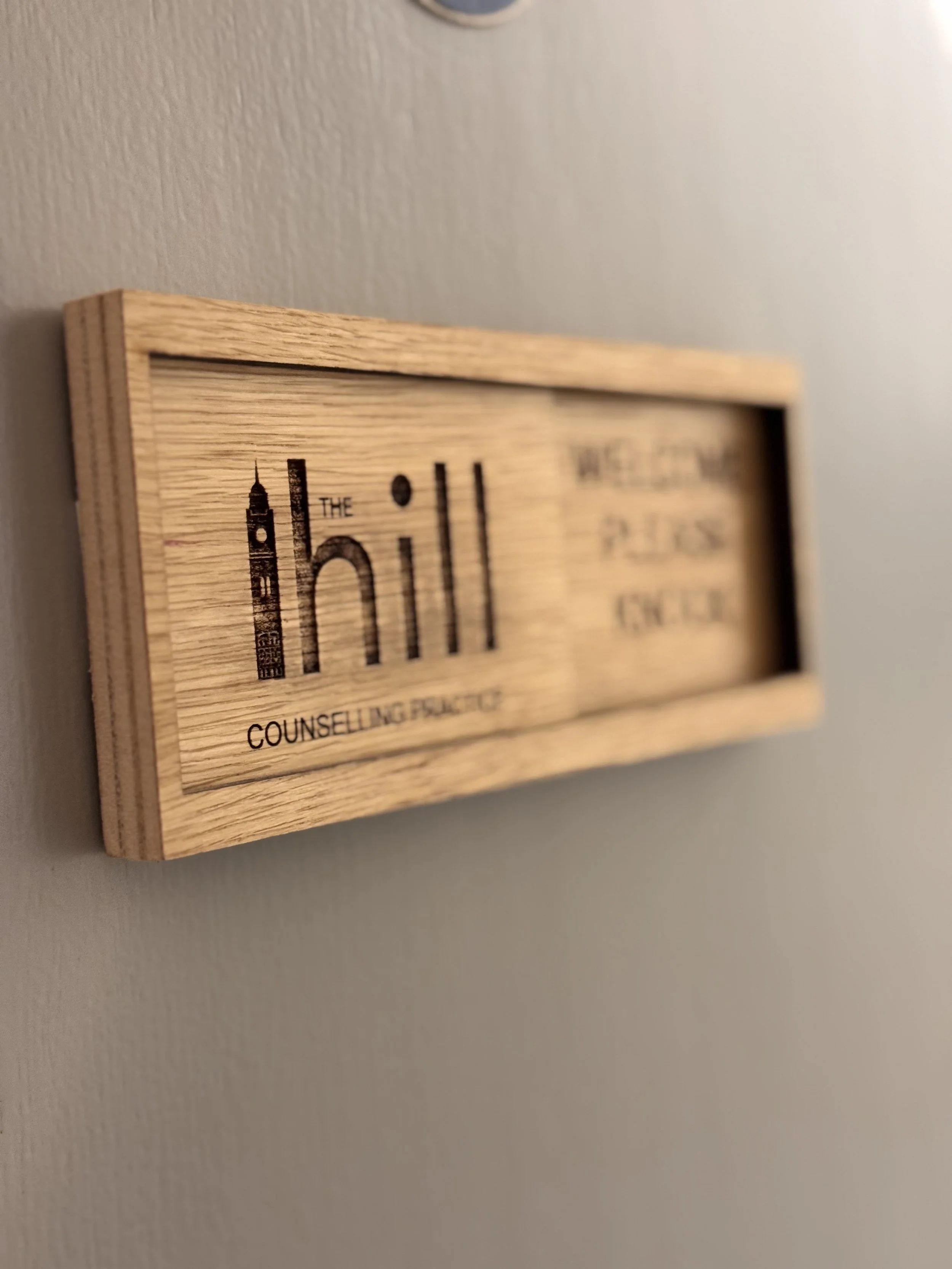
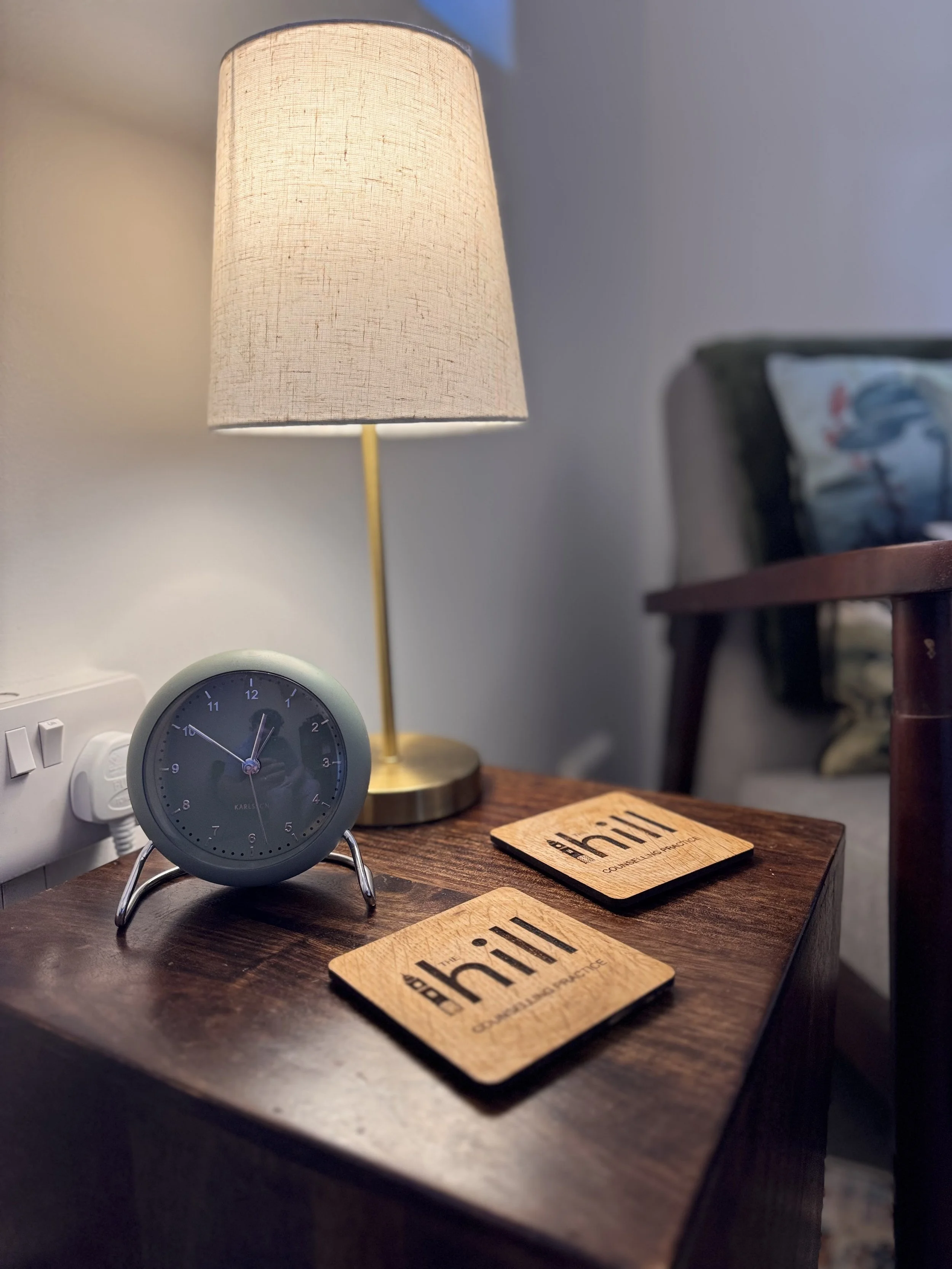
You can see some images of the counselling space below, so you can get a sense of the environment before you arrive.